Hubei Hongyuan Pharmaceutical Technology Co., Ltd

Hubei Hongyuan Pharmaceutical Technology Co., Ltd

specializing in chemical manufacturing

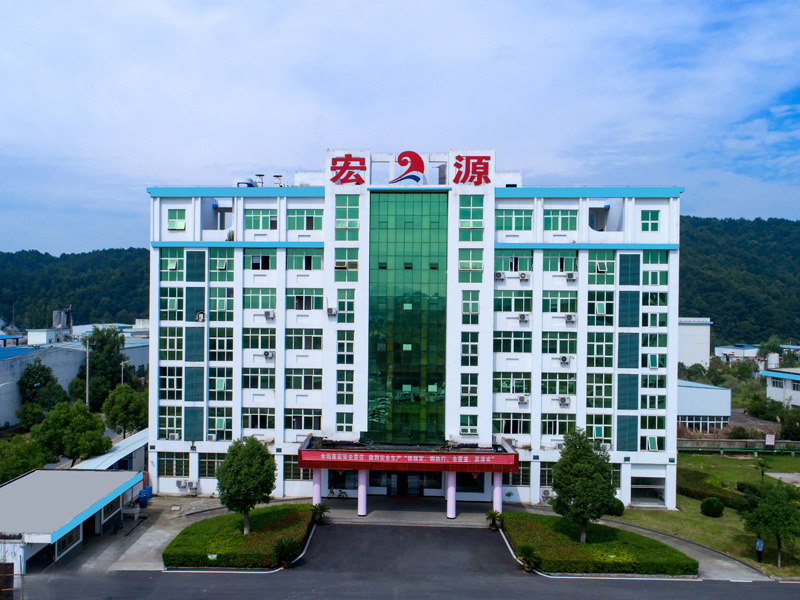
Hubei Hongyuan Pharmaceutical Technology Co., Ltd (securities referred to as: hongyuan pharmaceutical) is located in the southern foot of the dabie mountain luotian county. Founded in 2002, the company has a registered capital of 0.4 billion yuan and total assets...

Read More

Products

Capabilities

  1. Professional Support

    Product selection guidance, volume quotation, sample provision, and technical consultation ensure efficient purchasing decisions.

  2. Reliable Supply Chain

    As a certified manufacturer, we ensure stable chemical inventory, flexible production scheduling, and global logistics support.

  3. Quality & Compliance

    All products meet international standards (ISO, GMP, FCC/USP/EP), with each shipment accompanied by COA, MSDS, and optional TDS.

Hubei Hongyuan Pharmaceutical Technology Co., Ltd

Culture

Innovation

We continuously develop new chemical solutions and refine processes to meet evolving industry demands.

Sustainability

Our operations prioritize environmental stewardship, responsible sourcing, and long-term resource efficiency.

Reliability

Consistent quality, stable supply, and responsive support ensure our partners can trust us in every project.

News Center

Hubei Hongyuan Pharmaceutical Technology Co., Ltd

Operating as a chemical manufacturer week after week, I see the headlines about Hubei Hongyuan Pharmaceutical Technology Co., Ltd, and what often strikes me is how the true pressures and achievements of this industry rarely make it past the factory gates. The daily grind, from sourcing reliable raw materials to meeting increasingly stringent regulatory hurdles, cannot be summed up in a press release or company profile. For us working inside Asia’s chemical supply chains, Hubei Hongyuan brings up some important issues—growth, credibility, and the balancing act between capacity and responsibility.One reality looms largest: scaling output without letting standards slip. We all see the figures for regional API (active pharmaceutical ingredient) capacity, but figures have a human cost no Excel sheet can show. Consistency in quality does not appear by magic. We run multiple in-line checks, have to monitor temperatures and reaction times, and regularly invest in equipment upgrades without direct payoff. Hubei Hongyuan’s story underlines these basics—and underscores how factories need to keep investing in technical training. Finding experienced operators is one thing; building a team confident enough to tweak a process on the fly, or halt production at the sign of contamination, is another. A single mistake can lose a client and put downstream users at risk. Our clients, mainly pharmaceutical companies, expect input materials to meet strict tolerances batch after batch. Deviations? No amount of negotiation can repair trust lost if a production run doesn’t match spec. It is not hyperbole: reliable product quality serves as a base for everything else. This is the real reputation a manufacturer builds, not slogans or online promises.Another topic close to my desk involves the surge of environmental oversight in the Chinese chemical industry, visible in all the public records but felt deepest by those running reactors and wastewater plants. Hubei Hongyuan’s trajectory tracks a broader movement in Hubei province—upgrading factory effluents, adapting water treatment lines, and switching out older pipes and vessels for stainless steel or lined options. Each move costs more than management hopes; yet regular upgrades help prevent lost time to accidents and fines. No one here thinks of environmental compliance as an optional box to tick. A single off-spec batch of solvent flushed into the drain system, and suddenly the whole site faces chemical inspection and a backlog of orders. Investing in treatment and containment systems pays back not with quick profits, but with the right to stay open and supply demanding clients overseas. Increasingly, those customers from Europe, the US, or even Southeast Asia send their own teams to walk factory floors, looking for meaningful procedures, not just paperwork.An overlooked part of the industry—often missed in broader commentary—involves our raw material networks. Life in this business revolves around supply security. Hubei Hongyuan, like other top-tier producers, shares suppliers for specialized solvents and intermediates. If a chemical supplier upstream faces inspection or is forced to close for a few weeks due to policy or a pollution event, the effect ripples out. Our warehouses have emergency stocks to buffer shocks, but a sudden gap in input quality or logistics costs will test even the best-run procurement team. Good relationships with core suppliers become a kind of insurance policy, especially now with tight international freight and shifting policies around customs. I have learned to expect price swings, traffic snags, and late-night calls to audit incoming barrels after Chinese New Year holidays. Few people outside the industry grasp how much finished product hinges on yesterday’s raw material shipment arriving on time and in good condition. Mitigating this risk means forming direct contracts further up the chain, sharing forecasts, and making infrastructure investments so the pipeline keeps running.Responsibility goes beyond technical or operational controls. As more multinational and local pharmaceutical partners request traceability and transparency, we face a new era where chemical manufacturers do not just turn out reliable grams and kilograms—they disclose process data, track origin, and verify that labor standards match client commitments. Calls for audits and third-party certifications have become routine. Years ago, sending an analyst in for five minutes sufficed. Now, entire teams spend days verifying documentation, walking production halls, and asking pointed questions about workers’ hours and safety equipment. Adjusting to this new normal separates the serious players from the rest. Factories that welcome scrutiny, document changes, and show real dedication to improvement move faster up the roster of preferred partners. Others fall away, unable, or unwilling, to bridge the transparency gap. When stories about Hubei Hongyuan’s investments in process monitoring or audits make the rounds, they reflect a deeper shift—chemical factories now have to demonstrate not just compliance but earned trust, both locally and globally.Efficiency in the lab and plant now means data sharing, instant communication, and digital recordkeeping. Our industry, shaped historically by tacit knowledge and on-the-job learning, makes a slow but steady turn toward digital tools. Process control software, real-time monitoring, and secure batch logs bring accuracy to yield predictions and help speed up root-cause analysis after a fault. Advanced facilities draw on these resources not just to maximize output, but to shorten downtime and catch minor problems early. Factories without these tools, or that resist upgrading, risk being phased out as clients grow less patient with ambiguity or unexplained batch results. I have watched Hubei Hongyuan’s update cycles, shifting their production to integrate smarter tech and greater automation—steps that allow mid-sized Chinese producers to compete with European or American peers more directly. The lesson for every manufacturer is clear: invest in tech, not just to keep up, but to anticipate defects and opportunities before they upset the production calendar.Safety and continuity remain core priorities. Fires and explosions in chemical workplaces are rare but terrible when they happen, not only risking lives but damaging reputations for years. New procedures, rebuilt fire controls, switchgear upgrades, and routine drills stand between normal operations and disaster. Wider insurance requirements and more aggressive audits force us to rethink storage of flammable solvents and how emergency response teams coordinate their duties. The bar for safety keeps rising, and lagging can mean a plant halt, local shutdown, or worse, a nationwide blacklist. Industry stories about near-misses spread quickly among factory managers; every experienced production lead has seen or heard of situations turning bad in seconds. Investments in improved ventilation, process safety interlocks, and operator training do not make the news, but without them, no growth or credibility can last long. Hubei Hongyuan’s own steps in these areas reinforce an industry-wide point: safety upgrades always demand full attention and regular funds, well beyond the minimum required.Talent keeps all these systems operating. Retaining engineers, R&D specialists, and skilled technicians has grown more difficult as wage expectations climb and China’s labor market evolves. Hubei Hongyuan’s drive to keep top people reflects a problem across Asian manufacturing—every time a knowledgeable colleague leaves, months of learning and good practices can disappear. Most of our technical team came up on the production lines, gaining insight into process behavior not found in textbooks. Training isn’t a one-off event; it asks for cross-department mentorship, hands-on trials, and consistent review of mistakes so they aren’t repeated. Offering long-term career growth, fair bonuses, and a stable environment makes a difference in holding onto people who keep the reactors balanced and the QC lab sharp. Direct experience with batch failures or complex troubleshooting shows the value of steady team development. The commitment to training and talent retention makes the difference in process reliability everyone downstream can feel.Innovation splits into two streams here: incremental changes that shave off seconds or boost yield percent by fractions, and larger, disruptive process investments. Hubei Hongyuan, from what our network can see, works on both fronts, a familiar pattern among companies exporting globally. Tweaks like solvent swap-outs or refining crystallization steps offer short-term wins, while adopting new continuous-flow technologies or bio-based raw materials promises bigger returns but demands years to perfect. Risk balancing matters. Rushing a big change to beat the competition creates possible gaps in documentation or safety analysis; taking too long, meanwhile, cedes market share to faster rivals. Regular technical meetings help weigh these moves, sharing lessons across plants and pushing feasible projects higher up management agendas.Clients’ preferences continue to evolve. Demand for cleaner, greener processes and pharmaceutical-grade output does not slow down. Hubei Hongyuan’s own investments in cleaner synthesis routes track a wider uptick as regulators worldwide scrutinize nitrosamine risk, residual solvents, and waste loads. Every batch runs through new tests, and compliance labs see twice the number of client audits per quarter versus five years back. The added scrutiny makes life harder for smaller, informal players but drives established manufacturers to invest in better purification, waste treatment, and documentation. Fit-for-purpose investments in green chemistry, catalyst reuse, and solvent recycling create both technical and reputational advantages—never fast or simple, but critical for obtaining the next level of global orders.In summary, the pressure and promise facing Hubei Hongyuan reflect industry-wide truths for chemical manufacturers: trust cannot be turned on overnight, every kilogram speaks to what came before, and every improvement asks for foresight, discipline, and an honest reckoning with past practice. Those inside the production halls know no headline catches the full complexity or seriousness of this commitment—and yet, working daily to protect quality, people, and clients, the risks and rewards of modern chemical manufacturing remain worth the challenge.

Wuxue Hongyuan Pharmaceutical Co., Ltd.

Experience in the chemical manufacturing field shows that the story of any producer starts well beyond the factory gates. Reputation does not arise from slogans or clever marketing. Colleagues in the industry pay attention to the real measures: raw material control, process repeatability, batch tracking, and the commitment displayed during unexpected challenges. From what we observe across the sector, Wuxue Hongyuan Pharmaceutical Co., Ltd. sets its benchmark in ways that often get lost in external communications. The company handles active pharmaceutical ingredients and fine chemicals, which demand not only precision but steady nerves in the face of shifting regulatory standards and fluctuating supply chains. Gaps in documentation or unclear quality checkpoints can set back not just compliance, but the trust built between manufacturer and client across years of cooperation.A typical challenge arises during audits, which feel routine only to outsiders. Suppliers are asked to account for every shipment down to the smallest technical deviation. We have experienced the need for multi-level testing on each batch, the constant tension over water content and trace impurity levels, and the real cost of filter or distillation column replacements. In such a tightly regulated space, unannounced inspections or sudden customer queries often highlight the companies that plan ahead rather than scramble for explanations. When organizations like Wuxue Hongyuan Pharmaceutical open their processes to clients, it reflects confidence in their documentation and personnel, not just in the end-product purity. This confidence doesn’t come from thin air. It builds up over years of capital investment in analytical labs, laboratory technician retraining, and the relentless updating of process control systems.Markets no longer allow local shortcuts. Country-specific requirements, such as FDA registration in the United States or EMA standards in Europe, force chemical manufacturers to pull double duty on research, process validation, and logistical planning. Each regulatory update triggers a cascade of new analytical methods, batch record templates, and sometimes redesigns of reaction vessels or purification trains. It’s a frustrating but necessary cycle that separates serious manufacturers from opportunistic sellers. From personal experience, teams rise or fall based on their willingness to tackle these issues. We see companies like Wuxue Hongyuan Pharmaceutical earn repeat business not by chance, but by adapting process flows to serve partners in widely disparate markets, without compromising consistency. There are no “local” pharmaceutical chemicals anymore; every batch can end up audited by an agency across the world. A chemical manufacturer’s credibility starts long before samples reach the client’s door.Few outside of the production floor know the strain brought on by calls for sustainable manufacturing. The demand to reduce energy use, lower emissions, and cut down process waste is relentless. We grapple every year with selection of catalysts, recirculation of water streams, and investment in off-gas treatment not as green window-dressing, but because failure to meet these standards risks shutdowns and lost contracts. Companies such as Wuxue Hongyuan Pharmaceutical must weigh each investment in pollution control and recovery systems against their cost base and client timelines. In the last few years, the requirements have only tightened. As a chemical manufacturer, debating whether to upgrade a decades-old reactor or replace it entirely weighs heavily on both environmental compliance and long-term viability. The difference between lip service and lived practice rests on whether senior management budgets for continuous process improvement rather than scrambling after an infraction.Our collective experience reveals that leadership teams who make environmental compliance part of their quarterly planning survive in this market. For products destined for pharma use, trace emissions or improper waste disposal not only destroys commercial standing, but brings severe legal and financial penalties. Many of us have visited plants where waste collection and reagent handling operate in silos, a recipe for inefficiency and regulatory exposure. Observing that Wuxue Hongyuan Pharmaceutical maintains integrated approaches to solvent recovery and emission monitoring signals more than minimal compliance; it highlights core values aligned with modern market realities. Beyond the machinery and analytical tools, people remain the backbone of any chemical operation. Young chemists, engineers, and operators must master regulatory affairs, complex instrumentation, and the practicalities of large-scale synthesis. It’s not enough to fill vacancies. Skill gaps show up in subtle ways: an incorrectly calibrated sensor here, a missed deviation on a batch record there. As manufacturers, we spend as much time on continuous training as we do on raw material negotiations and equipment upgrades. Retaining skilled staff requires both fair compensation and the promise of professional development. From industry conversations, companies like Wuxue Hongyuan Pharmaceutical Institute regular upskilling, scheduled competency checks, and clear advancement routes, reducing turnover that could push operations into costly instability.Our experience tells us that frequent line changes and staff churn spell risk. Customers judge producers on delivery dates and spec adherence, not just certificates on a wall. A high-performing team knows the process bugs and the shortcuts that never work, knowledge that comes only from years in the job. In volatile years—pandemic disruptions, geopolitical shifts, sudden price hikes in feedstock—this resilience sets apart the companies that thrive from those that falter under stress. Recruiting the right people, investing in their training, and providing long-term incentive ensures safety, efficiency, and the ability to solve process hiccups before they impact the client.No manufacturer is immune to external shocks. Shipping delays, port closures, supplier insolvency, or energy market swings can unravel the best-laid plans. Seasoned chemical producers build redundancy and dual-sourcing into their supply lines, drawing up alternative logistics arrangements for critical intermediates. It’s not enough to maintain inventory; forward planning must include detailed monitoring of supplier solvency, transport bottlenecks, and emergency stock procedures. Recent disruptions have proved that only the manufacturers who invest in agility manage to guarantee uninterrupted supply. This means constant, sometimes costly, dialogue with both up-and-downstream partners. We have seen many projects fall apart when third parties fail to deliver raw chemicals on schedule. Firms with robust contingency planning, such as Wuxue Hongyuan Pharmaceutical, maintain production and client timelines despite these shocks, winning confidence and long-term trust.Few customers appreciate how relentless and unforgiving modern quality assurance can become in a pharmaceutical-focused operation. Each deviation, non-compliance, or customer complaint triggers a chain reaction of root-cause analyses, CAPA documentation, and audit trails that expand to fill entire offices. Routine sampling, stability tests, reference standard validation, and even equipment swab checks feed into a self-correcting, ever more complex system. In our own plants, each step in the production—dispensing, charging, reaction, separation, drying, packaging—demands multi-stage documentation, often under the eyes of visiting auditors. Any lapse can halt shipments for weeks, risking contract penalties and lost reputation. Those manufacturers who embed quality into daily action—by assigning clear accountability and real-time monitoring—hold the edge. The products leaving their facility come with years of process optimization and the genuine belief that short cuts bring nothing but trouble.In this industry, transactions take a back seat to relationships. Purchasing teams grow cautious after seeing enough unfulfilled promises and inconsistent performance. Lasting partnerships form only when both sides weather problems together, whether they be shipment delays, process hiccups, or unplanned regulatory updates. We often remind new staff that every emergency shipment, successfully navigated customs hurdle, or defect-free multi-ton lot builds a record others notice and remember, especially among pharmaceutical and fine chemical buyers. Wuxue Hongyuan Pharmaceutical’s reputation arises because the company treats every customer concern with urgency, not bureaucratic delay. Real-time communication, rapid deviations correction, and proactive compliance updates carry more weight than any sales pitch. Experienced buyers recognize, and reward, these behaviors in their regular vendor evaluations. What the industry expects from today’s chemical manufacturer far exceeds past expectations. Batch traceability, digital data management, cybersecurity, and transparent reporting form the backbone of daily operations, not future aspirations. Every plant upgrade or system migration raises questions about how data is handled, who can access formulations, and how quickly deviations are flagged. We have undertaken countless digital transitions—upgrading SAP modules, introducing electronic batch records, and training teams to spot digital footprints that matter during audits. For the manufacturer unwilling to modernize, obsolescence comes swiftly. Critical partners want to see readiness for remote inspections, seamless documentation sharing, and the ability to update product status at any hour. Those able to offer these assurances grow business with global pharmaceutical clients, while those looking for the easy path slip into irrelevance.It takes a blend of technical investment, disciplined leadership, and day-to-day vigilance to thrive in this sector. The manufacturers that succeed, including Wuxue Hongyuan Pharmaceutical, do so by making true commitments to quality, safety, and partnership—values that matter most to those of us producing chemicals on a daily basis.

Hubei Hongyuantang Pharmaceutical Co., Ltd.

Experience at the core of chemical manufacturing sharpens how one views the pharmaceutical supply chain. Companies like Hubei Hongyuantang Pharmaceutical shape the daily landscape for producers across the industry. Over the years, working directly with advanced intermediates and APIs, I’ve seen how consistent quality turns partnerships from mere transactions into long-term collaborations. Hubei Hongyuantang carries influence because it produces critical raw materials—not only intermediates but high-purity compounds that get baked into countless formulations worldwide. Many customers don’t see the upstream effort poured into that drum of powder or the sealed container of API. Crews wake early to monitor reactors hour by hour, keep an eagle-eye on every filtration step, and track each batch in detail. Trust grows from reliability; without it, everything further down the production line gets shaky.Global headlines highlight fluctuations in pricing, changing export rules, and shifting regulatory frameworks. To those in the chemical industry, these changes ripple through the factory floor in real ways. Hubei Hongyuantang has weathered the kinds of market shocks that send sourcing managers scrambling. Whenever the Chinese government updates environmental laws, genuine manufacturers have to adjust their operations. Installations get retrofit with better waste processing, documentation thickens, and timelines grow longer. Short-term disruptions happen, but companies that invested early in good environmental controls gain a long-term edge. Buyers downstream—large pharma or small—notice which suppliers deliver the same COA every time, batch after batch. That kind of stability draws in repeat orders, not just opportunistic spot deals. Peers talk, word spreads, and reputations build the hard way: through performance.Sometimes, misconceptions about Chinese chemical companies crop up. It’s easy for outsiders to assume every producer can pivot quickly, match any specification, or cut corners on compliance. Only those who have managed real production lines know the limitations. Equipment investments can carry seven-figure costs, and process development never follows a straight line. Every tweak in a synthesis might spark new side reactions, shake up purification, and pressure-test analytical controls. At Hubei Hongyuantang’s scale, even switching a solvent can trigger weeks of validation work. Collectors keep samples for years for future traceability. Inspections by local authorities can arrive unannounced, and proper records are the only shield that keeps a line running. Regulatory agencies from Europe and the United States want full transparency: detailed impurity profiling, traceability from raw material up, and evidence that every release follows a strict regime. For firm believers in quality systems, that isn’t an obstacle. It’s the bare minimum to do business with the world’s most demanding customers.We’ve watched the transformation of the pharmaceutical sector in recent decades. Demand profiles have grown more complex. Drugs once sourced from just a few countries now reflect a patchwork of global supply. Finished dose manufacturers push for tighter lead times, higher purity, and better documentation. As a genuine producer, the path to meeting these expectations takes hard work—not shortcuts. Hubei Hongyuantang’s own evolution mirrors broader trends in Chinese manufacturing: heavier investment in people, more sophisticated analytical services, and deeper partnerships with research organizations. Newer generations joining the workforce come fluent in both regulatory language and chemical process. This isn’t manufacturing by routine; it’s an ongoing quest to anticipate what clients need two years down the road. Working at the heart of production teaches you that relationships matter most when things become unpredictable. One supply failure doesn’t just affect the next order, it ripples across regulatory filings and patient access around the globe.From inside a manufacturing plant, sustainability hits on a concrete level. Waste minimization, solvent recovery, energy consumption—it’s all tracked in real time. Compliance is more than meeting a government standard; it is about building trust both up and down the value chain. Hubei Hongyuantang and other leading factories have taken pains to adopt greener processing steps, reclaim more solvents, and reduce hazardous waste. These changes often add expense and complexity, but partners committed to shared environmental goals value the effort. Years ago, plant emissions and water usage stayed buried in thick logbooks. Today, third-party auditors and multinational customers demand access to those figures. Transparency earns access to markets once closed off. In my own daily work, providing detailed data sets and opening the plant to outside verification strengthens every contract and keeps new business coming through the door.Supply chain resilience depends not just on making molecules, but on sharing risk. Over time, Hubei Hongyuantang has built up reserve inventory, redundant production equipment, and better logistics partnerships. The global pandemic taught tough lessons on how easily even minor disruptions cascade into critical shortages. Shrinking dependence on single routes or raw material sources is an industry-wide goal, made real only through ongoing investment. Today, many clients ask for multi-site production options and better visibility all the way back to the source. Real manufacturers open their doors and show exactly how materials move from the warehouse to the production suite and out the shipping bay. These conversations go on every week—no shortcuts pay off in the long run.From a producer’s standpoint, relationships like those with Hubei Hongyuantang become critical lifelines. Buyers want more than a promise of quality—they want evidence and openness. Consignment after consignment, robust communication proves just as essential as a dry analytical report. Open dialogue between technical teams resolves nearly as many issues as standard operating procedures. Maintaining that trust takes years, and one missed shipment can put it at risk fast. We keep learning how the right documentation, timely updates, and a little humility smooth complicated orders. Customers keep returning as much for the people as for the finished product, especially when markets grow turbulent.Walking through a full-scale active pharmaceutical ingredient (API) manufacturing suite, one sees the effort that each company, both ours and Hubei Hongyuantang, puts into every step. Production teams measure, confirm, and re-check. Laboratory analysts face a barrage of samples every shift, striving to match reference standards that meet the latest pharmacopeia. Each improvement, like a better crystallization method or a new analytical tool, trickles down in cleaner, more dependable products. Shifts run late to catch up, approval teams work weekends to clear new documentation, and every bottle shipped carries the hope that its contents meet both promise and specification. In all these processes, manufacturers find common cause, knowing that reliability and honesty are the only real insurance policy in the unpredictable world of pharmaceuticals.